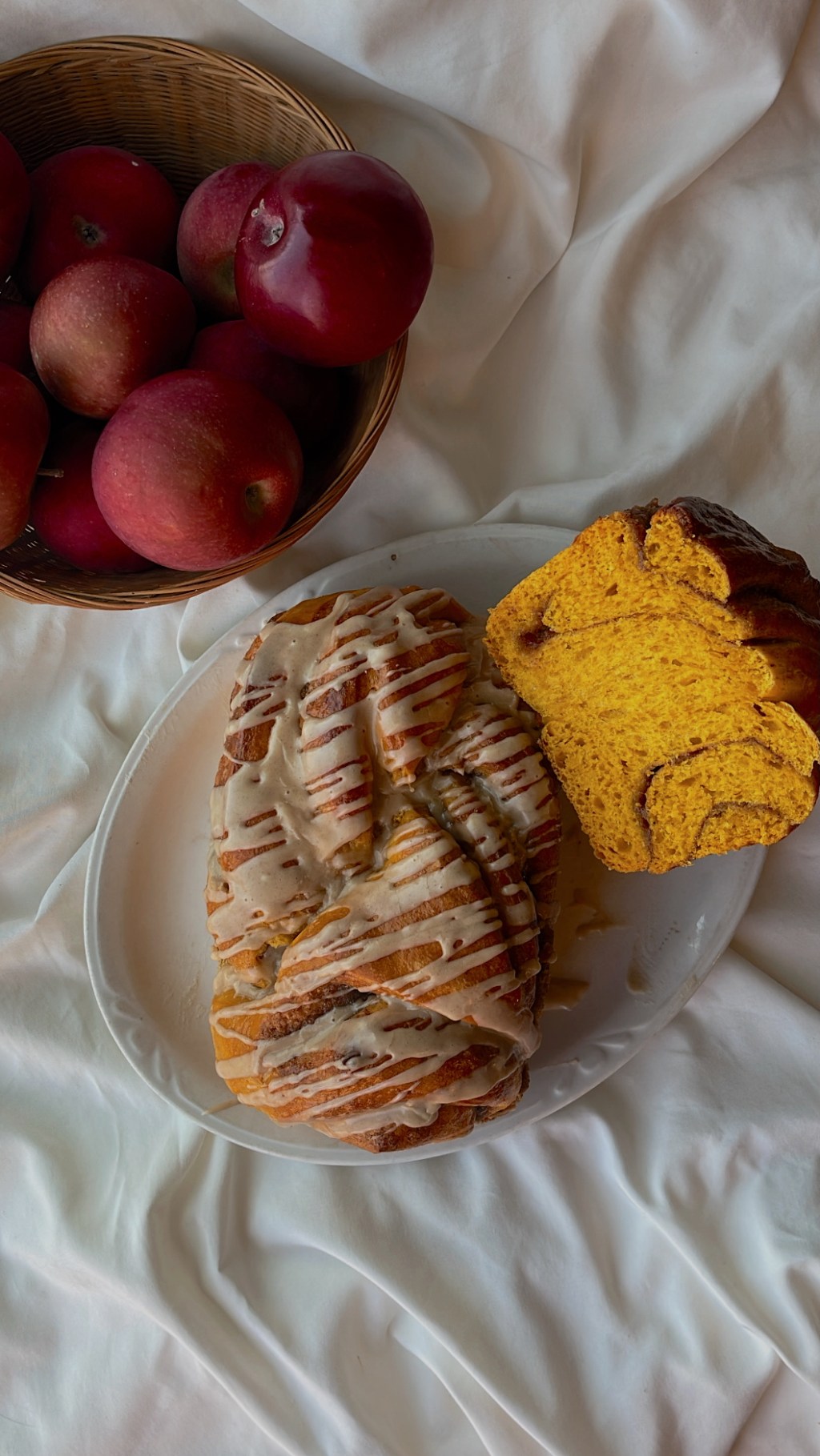
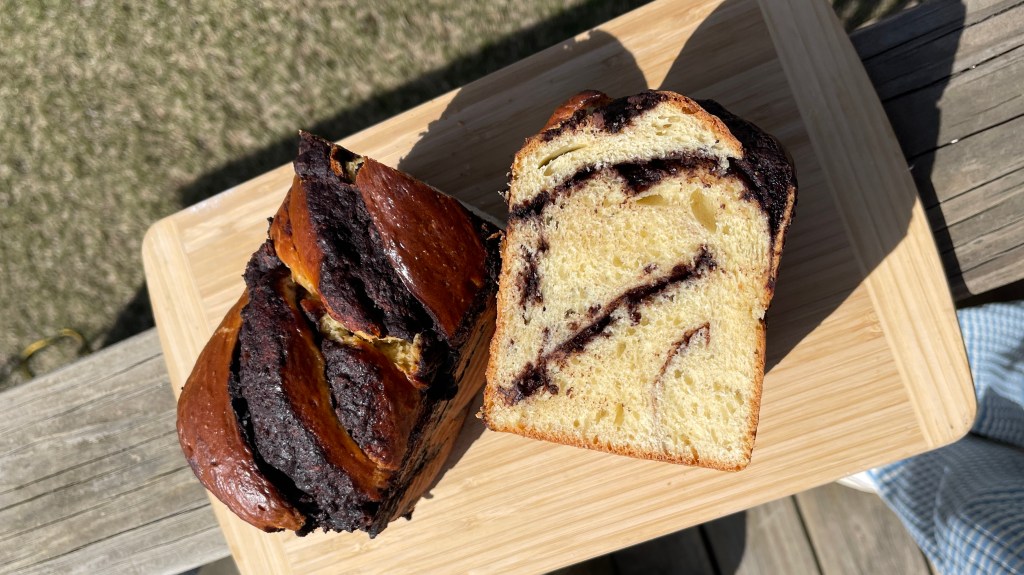
Imagine golden, braided layers of pumpkin-rich sourdough, softly scented with cinnamon and nutmeg, finished with a delicate drizzle of maple glaze. This babka feels as though it belongs in a café window on a crisp autumn morning — elegant, nourishing, and deeply satisfying. Thanks to natural sourdough fermentation, the crumb is not only tender and flavorful, but also easier to digest, with the added benefit of supporting a healthy gut. It’s a bread that marries old-world craft with modern wellbeing, bringing comfort and balance in every slice.
Why You’ll Love This Recipe
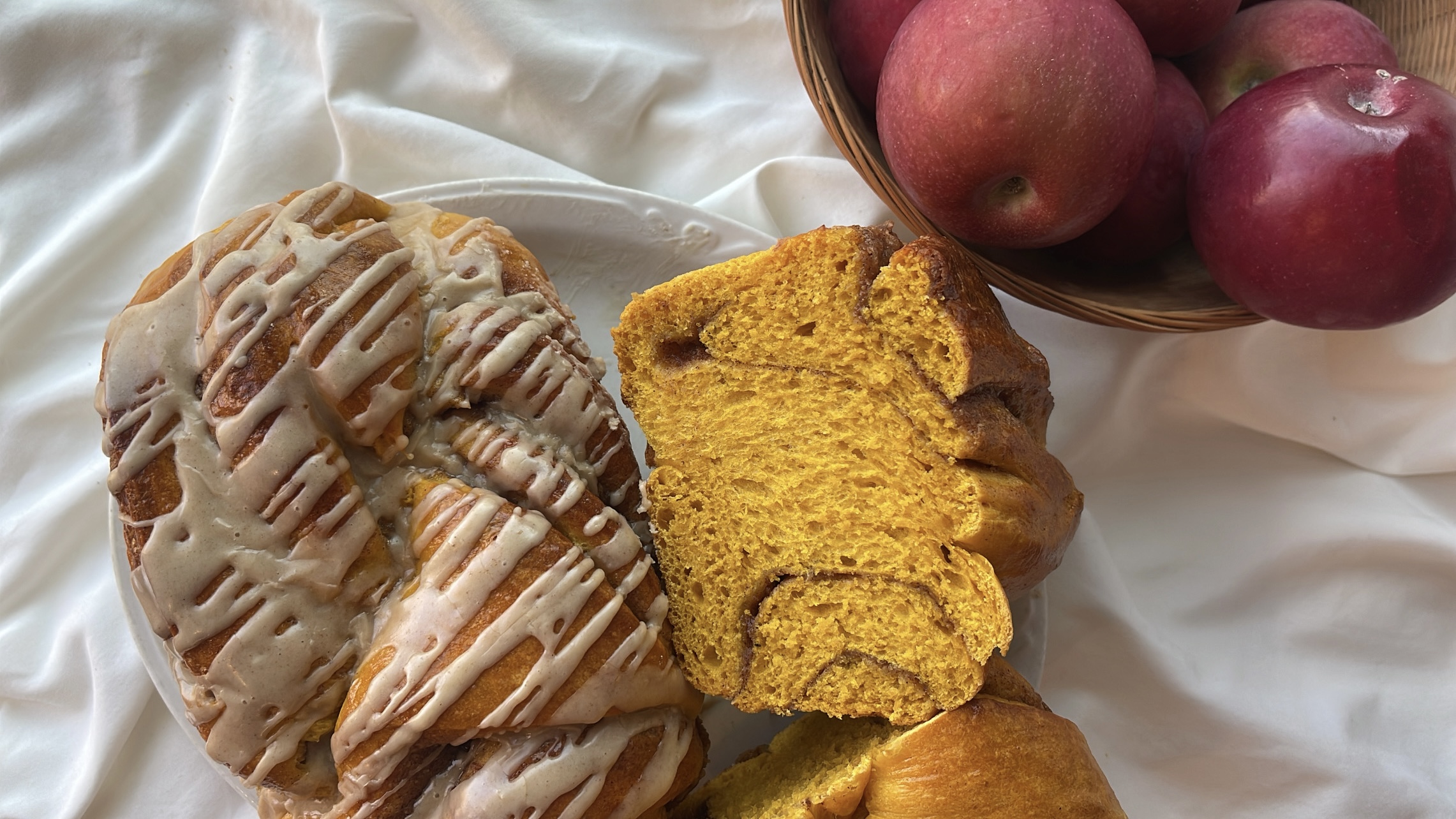
There are babkas, and then there’s this sourdough pumpkin babka. The sourdough starter brings a gentle tang and incredible texture, creating a loaf that’s both airy and satisfyingly chewy. Swirls of spiced pumpkin filling add warmth and sweetness, perfectly balancing the subtle tang of the dough. Every bite is a harmonious mix of rich autumn flavors, soft crumb, and slightly crisp edges, making it an irresistible centerpiece for breakfast, brunch, or an indulgent snack. Whether shared with friends over coffee or savored quietly with a book, this babka transforms a simple treat into something extraordinary—comforting, seasonal, and utterly memorable.
What is Babka?
Babka is a sweet, braided bread that originated in Eastern Europe and has become a beloved treat around the world. Traditionally made with a rich, yeasted dough, babka is filled with indulgent ingredients like chocolate, cinnamon, or fruit preserves, then twisted and baked to create its signature swirled appearance. Its texture is soft and fluffy on the inside with a slightly crisp, golden crust, making it perfect for breakfast, dessert, or a special snack. Over the years, bakers have experimented with countless variations, including sourdough, pumpkin, and even savory versions, transforming babka into a versatile bread that combines tradition with creativity. More than just a pastry, babka is a celebration of flavor, craftsmanship, and the joy of sharing something homemade with loved ones.
The Sourdough Différence
The sourdough difference shines brilliantly in this pumpkin babka. Using a natural sourdough starter instead of commercial yeast gives the dough a gentle, tangy depth that beautifully complements the sweet, spiced pumpkin filling. The slow fermentation not only develops complex flavors but also creates an airy, tender crumb with a slightly chewy texture that makes each bite irresistible. The sourdough’s subtle tang balances the richness of the pumpkin and spices, enhancing every swirl and layer of the babka. The result is a loaf that feels both comforting and sophisticated—perfect for cozy autumn mornings, holiday gatherings, or anytime you want a homemade treat that’s truly elevated.
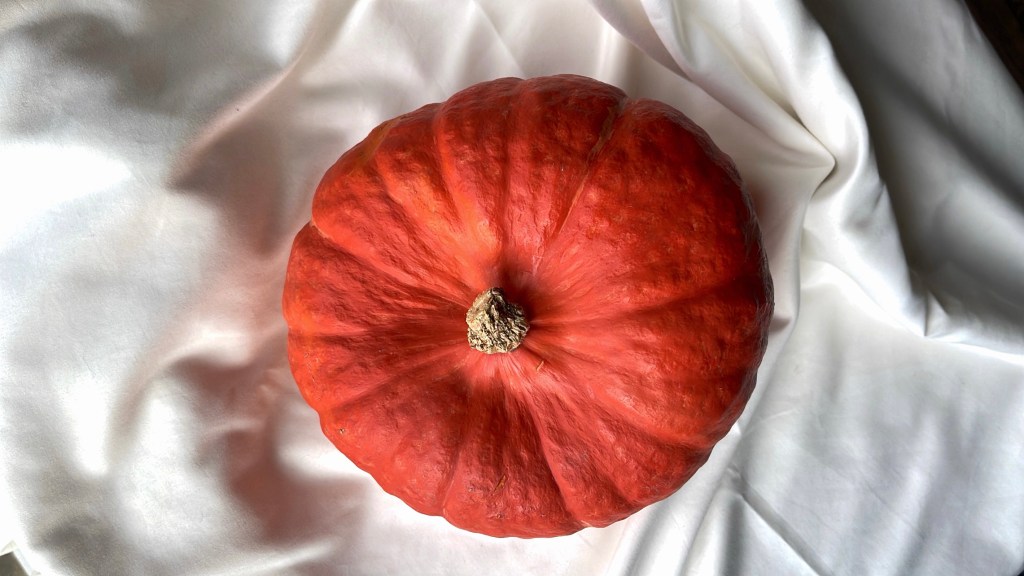
Ready to bake? I’ll walk you through everything you need to make your own swirled, golden sourdough pumpkin babka. From the tangy, lively sourdough dough to the rich, spiced pumpkin filling, each step brings you closer to a loaf that’s as beautiful as it is delicious. Lets get started!
Dough
- 50 – 100g Sourdough Culture
- 2 Large Local Eggs
- 20g Organic Olive Oil ( Avocado Oil works as well)
- 113g Unsalted Butter (1 Stick)
- 300g Pumpkin Puree *
- 500g Organic Hi Gluten Bread Flour
- 10g Sea Salt
Filling
- 100g Homemade Brown Sugar
- 20g Bread Flour
- 60g Unsalted Butter (Room Temperature)
- 2 teaspoons Pumpkin Pie Spice
Yield: 2 Loaves (9 × 5 inch loaf pan)
Total time: ~ 6–24 hrs (depends on retarding)
Hands-on time: ~ 60–90 minutes
Bake temp: 350°F / 175°C for 35–45 minutes
Maple Glaze
- 120g Confectioners Sugar
- 3 Tbsp Local Maple Syrup
- ( Optional – 2 Tbsp 100% Pure Maple Sugar)
- 1-2 Tbsp Whole Milk, Cream, or Water
Feed starter: Before you begin, make sure your sourdough starter is active and bubbly. Feed it 4–6 hours prior to baking so it’s strong and ready to give your dough lift. You’ll notice it should double in size and have a pleasant, slightly tangy aroma. This is the foundation of a light, airy, and gut-friendly babka.

- Mix the Dough (Autolyse): In a large mixing bowl, whisk together the bread flour, pumpkin puree, lukewarm milk, whole egg plus egg yolk, and sugar until just combined. Let the mixture rest for 30 minutes — this is called the autolyse. During this rest, the flour absorbs the liquid, gluten begins to develop naturally, and the dough becomes easier to knead.
- Add Sourdough Culture & Salt: Add the active sourdough starter and salt to the autolysed dough. Mix until the dough comes together into a rough ball. At this stage, it might feel sticky or shaggy — that’s perfect. The long fermentation will transform it into a smooth, elastic dough.
- Knead & Incorporate Butter: Knead the dough by hand on a lightly floured surface or with a stand mixer for 6–8 minutes. Gradually add the softened butter, a little at a time, and continue kneading until the dough is smooth, elastic, and slightly tacky. This enriched dough may feel luxurious and soft — that’s a good sign!
- Bulk Fermentation: Place your dough in a lightly oiled bowl, cover with a clean kitchen towel or plastic wrap, and let it rise at room temperature for 3–5 hours. During the first 1.5–2 hours, perform 3 sets of gentle stretch-and-folds every 30 minutes. You’ll notice the dough becoming airy and soft. This is when the flavors develop, and the sourdough magic happens.
- Chill or Shape Same Day: If you prefer, refrigerate the dough overnight to develop deeper flavor. Otherwise, after the bulk fermentation, turn it out onto a floured surface and gently shape it. The dough should feel airy and springy but not overly sticky.
- Roll Out & Add Filling: First divide dough into 2. Roll the dough into a rectangle about 12 × 16 inches (30 × 40 cm). Brush with melted butter, then sprinkle evenly with the brown sugar and cinnamon mixture. Add chocolate or toasted walnuts if desired. This creates the signature swirls when you twist the dough later.
- Shape the Babka: Roll the rectangle tightly along the long edge into a log. Using a sharp knife, slice the log lengthwise into two long pieces. Twist them together, cut sides up, so the layers are exposed, and pinch the ends to secure. Place the twisted loaf into a greased 9 × 5-inch loaf pan.
- Final Proof!: Cover the loaf and let it proof at room temperature for 2–4 hours until puffy. If proofing overnight in the fridge, allow the loaf to come back to room temperature for about 1 hour before baking. The loaf should look airy but not collapsed.
- Time to Bake!: Preheat the oven to 350°F (175°C). Brush the loaf with an egg wash if you like a glossy finish. Bake for 35–45 minutes, or until the top is deep golden brown and an instant-read thermometer inserted into the center reads 200–205°F (93–96°C). If the top browns too quickly, tent with foil.
- Cool & Glaze : Remove the babka from the oven and let it cool in the pan for 10 minutes. Transfer to a wire rack. Whisk together powdered sugar, maple syrup, maple sugar if wanted and a little milk to make the glaze, then drizzle over the cooled loaf. Let set 10–15 minutes before slicing and serving.

Notes & Tips
- Use an active, bubbly sourdough starter for best rise and flavor.
- Plain pumpkin puree works best — avoid pumpkin pie filling.
- Refrigerating the shaped loaf overnight enhances flavor and makes slicing easier.
- Store baked babka at room temperature for up to 2 days or freeze slices for up to 2 months.
- Check doneness using an instant-read thermometer: 200–205°F (93–96°C) in the center.
If you try this recipe, I’d love to hear how it turns out — leave a comment, share your photos, or tag me on social media so we can celebrate your baking together! And don’t forget to save this recipe for later or pin it to your favorite board so you can revisit it every autumn. Baking is always better when it’s shared, and this pumpkin babka is perfect for making those cozy, memorable moments.
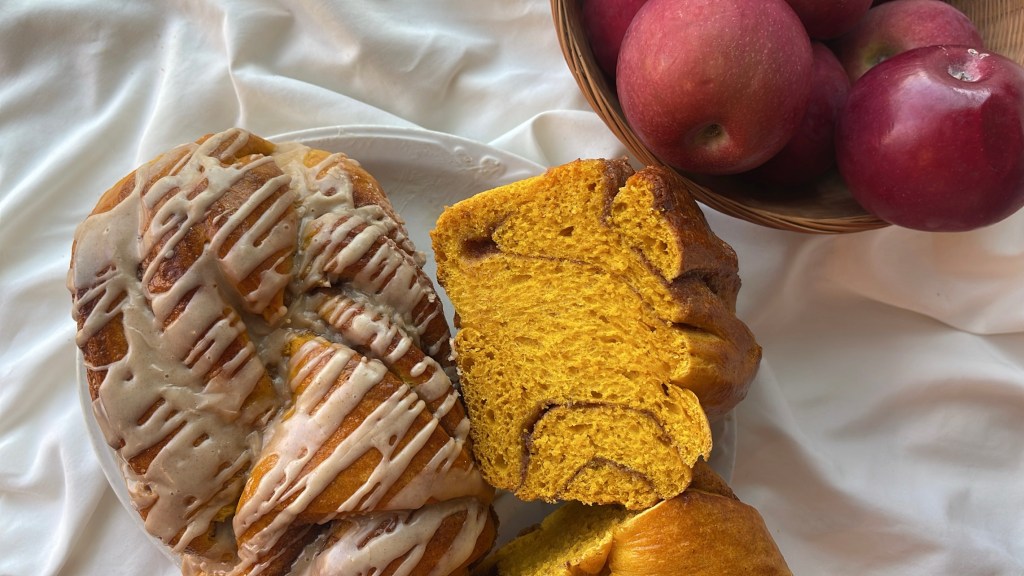
Other Babka Recipes Coming Soon!

 The Whole Hearted Kitchen
Leave a comment